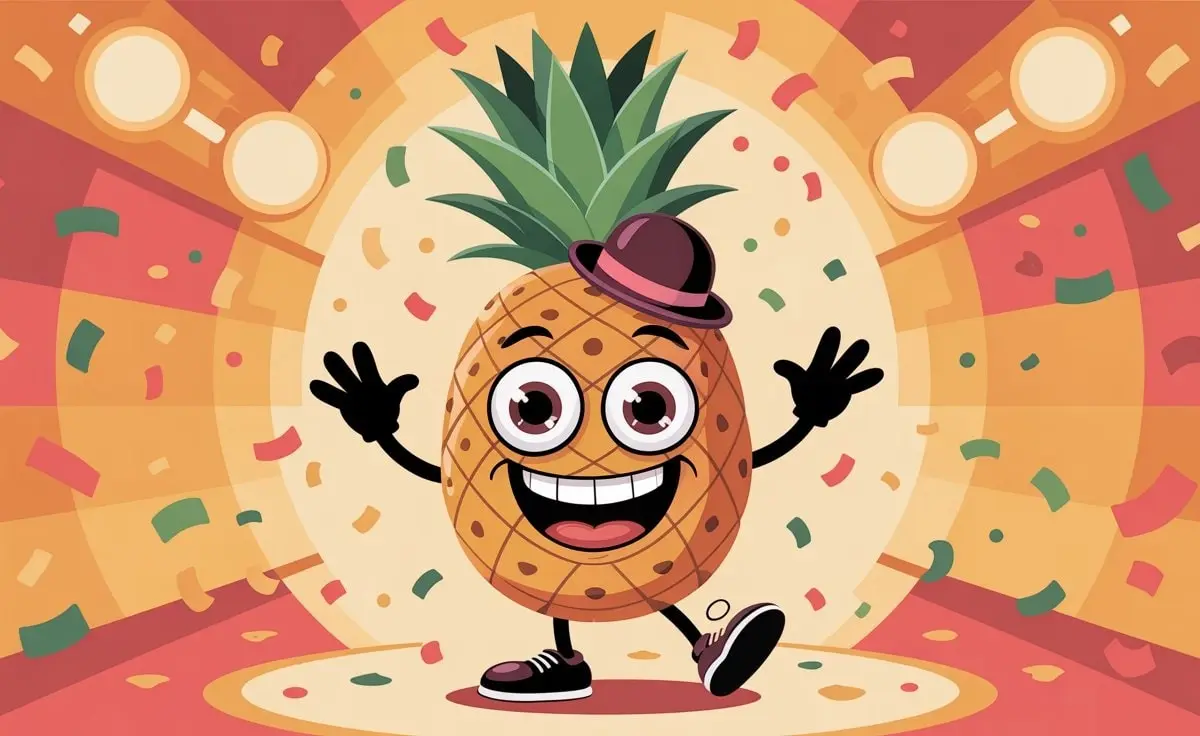
Art has always been a mirror of human imagination, emotion, and culture. From ancient cave paintings to modern digital illustrations, creativity has evolved while retaining its essence of expression. In this evolving landscape, a fascinating artistic style known as caricatronchi has been gaining attention. Though not as mainstream as traditional caricatures or cartoons, this style blends humor, exaggeration, and emotional storytelling into a distinctive visual language.
In this article, we’ll dive deep into what caricatronchi means, how it originated, why it resonates with audiences today, and the role it plays in digital culture.
What is Caricatronchi?
The term caricatronchi refers to a creative art style that mixes elements of caricature and expressive illustration with a touch of surreal exaggeration. Unlike classic caricatures, which typically focus on exaggerating facial features for humor or satire, caricatronchi emphasizes emotions, body movements, and abstract elements. The goal is not only to make people laugh but also to provoke thought or convey a deeper message.
Artists who practice caricatronchi often use bold lines, stretched proportions, and vibrant colors to make their subjects larger than life. The result is artwork that feels simultaneously funny, absurd, and strangely relatable.
Origins and Evolution of Caricatronchi
Although the exact origin of the style is debated, caricatronchi seems to have roots in the broader tradition of caricature and comic art. European street artists and satirical illustrators in the 19th century may have influenced its early development, but it has since adapted to digital platforms.
The style truly began to gain recognition in the early 2000s, when social media and online communities provided artists with new spaces to share experimental work. Today, Instagram, TikTok, and online art forums host thousands of examples of this unique expression. Memes, webcomics, and GIFs often borrow elements of caricatronchi to create humor with exaggerated human reactions.
Why Caricatronchi Stands Out
Artistic styles come and go, but some leave a strong impression because they connect with people emotionally. Caricatronchi achieves this connection in several ways:
- Exaggeration with purpose: Unlike random distortion, each exaggerated detail highlights a personality trait or mood.
- Humor and relatability: It captures awkward, funny, or everyday human moments in a way people instantly recognize.
- Emotional storytelling: Even without words, the drawings can express joy, frustration, confusion, or sarcasm.
- Digital adaptability: The bold, simple visuals work perfectly in memes, stickers, and short videos.
This combination of humor, emotion, and adaptability makes caricatronchi a style that resonates strongly with online audiences.
Caricatronchi in Digital Culture
In today’s fast-paced digital world, people often prefer visual communication over long blocks of text. Emojis, stickers, and memes have become essential tools of expression. Caricatronchi fits perfectly into this ecosystem because of its exaggerated emotional appeal.
On platforms like Instagram, users share caricatronchi-inspired art to represent their mood or poke fun at a situation. Meme creators also love the style because it communicates reactions faster and more effectively than words alone. In fact, many viral memes use illustrations that borrow heavily from this artistic approach, making it a hidden force behind internet humor.
Key Elements of Caricatronchi Art
When we break down the style, several consistent elements appear across artworks. These elements make caricatronchi recognizable and set it apart from traditional cartoons.
- Overstated facial features: Eyes may bulge, mouths stretch impossibly wide, or eyebrows arc dramatically.
- Playful body distortions: Limbs may be longer, shorter, or twisted in exaggerated ways to emphasize movement.
- Bold color contrasts: Bright, clashing colors often heighten the absurdity and grab attention quickly.
- Expressive simplicity: The art rarely gets lost in detail; it focuses on conveying a feeling directly.
- Whimsical themes: Everyday life, awkward social encounters, or common frustrations are popular subjects.
These elements make the artwork instantly eye-catching, humorous, and easy to share in the digital sphere.
Caricatronchi vs. Traditional Caricature
At first glance, caricatronchi may seem similar to caricatures, but there are distinct differences. Traditional caricatures exaggerate a subject’s physical features—like a politician’s nose or a celebrity’s smile—mainly to entertain or satirize. They are often drawn with great detail and sometimes realism.
Caricatronchi, on the other hand, prioritizes emotional distortion over physical accuracy. It’s less about mocking individuals and more about amplifying universal human reactions. For example, a caricatronchi-style drawing of someone waiting impatiently might show steam coming out of their ears, eyes spinning like wheels, and arms flailing in dramatic frustration. This isn’t just funny—it’s a recognizable exaggeration of how waiting actually feels.
The Role of Caricatronchi in Modern Storytelling
One of the reasons this style has found a niche in online culture is its effectiveness as a storytelling tool. While a single drawing may be humorous on its own, caricatronchi also works brilliantly in sequential storytelling, such as short comics or animations.
For content creators, the style is useful for:
- Explaining relatable experiences, like daily struggles or awkward moments.
- Breaking down complex topics in a humorous, digestible way.
- Adding personality and energy to otherwise simple messages.
- Engaging younger audiences who are more visually oriented.
This makes caricatronchi more than just an art style—it’s a versatile communication tool.
How Artists Can Master the Caricatronchi Style
For aspiring artists interested in trying this art form, there are a few techniques that help capture the essence of the style:
- Focus on emotions first – Start by sketching how a character feels before worrying about exact features.
- Exaggerate deliberately – Stretch expressions and gestures just beyond reality, but not so far that they lose recognition.
- Simplify the details – Avoid unnecessary lines; the style thrives on clarity and boldness.
- Experiment with color – Bright contrasts and unusual palettes add to the playful mood.
- Practice storytelling – Try illustrating everyday scenarios to learn how to communicate humor and relatability.
By keeping these principles in mind, artists can create work that captures the true spirit of caricatronchi while adding their own unique spin.
Why the Style Appeals to a Global Audience
The rise of global meme culture and digital communication has opened the door for artistic styles that transcend language. Caricatronchi fits perfectly into this global space because:
- Emotions are universal, and exaggerated visuals are easily understood across cultures.
- Humor doesn’t require translation when it is visual and expressive.
- The style is lightweight for digital sharing, making it perfect for fast-paced communication.
This universal appeal is why caricatronchi has managed to cross borders and become popular among artists and audiences worldwide.
The Future of Caricatronchi
As digital platforms continue to evolve, the demand for quick, expressive communication will only increase. Caricatronchi is well-positioned to grow further, especially in areas like:
- Animated GIFs and short-form videos.
- Branding and advertising campaigns targeting younger audiences.
- Digital storytelling formats such as webtoons and interactive comics.
- Augmented reality stickers and filters on social apps.
It’s not just a passing trend—it’s a style that adapts naturally to the way people communicate today and will likely evolve with future technologies.
Final Thoughts
Caricatronchi may not yet be a household term, but it represents a powerful blend of humor, exaggeration, and emotional expression that resonates strongly in our digital age. By exaggerating reality in a way that feels both absurd and familiar, this style gives people a unique way to laugh at life’s struggles while also feeling understood.
For artists, it offers a playful canvas for creativity. For audiences, it provides quick bursts of joy, relatability, and humor. And for digital culture as a whole, it’s another reminder that art will always evolve to meet the ways humans express themselves.